How Edge Computing Is Changing the Internet Landscape
Introduction
In a world where digital experiences happen faster than ever before, traditional cloud computing models are being pushed to their limits. Enter edge computing—a transformative technology that’s reshaping how data is processed, delivered, and experienced across the internet. From smoother streaming to real-time IoT interactions, edge computing is steadily changing the digital landscape.
What Is Edge Computing?
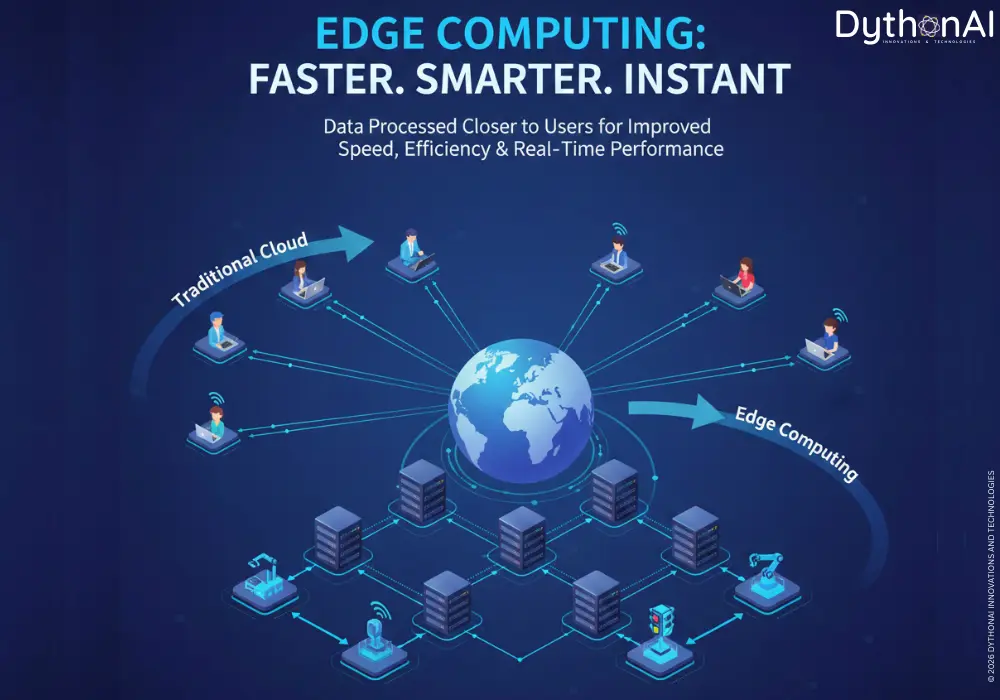
Edge computing refers to processing data closer to where it is generated—at the “edge” of the network—instead of relying solely on centralized data centers. By placing computing resources near end-users, businesses can reduce latency, improve performance, and support applications that require real-time responsiveness.
Why Edge Computing Matters Today
The rapid growth of devices and data—from smart sensors to autonomous vehicles—means traditional cloud systems often struggle with delays and bandwidth limitations. Edge computing tackles these challenges by:
-
Reducing Latency: Performing computations near the source cuts network travel time.
-
Lowering Bandwidth Use: Only necessary data gets sent to centralized servers.
-
Enhancing Reliability: Local processing can continue even if cloud connections are slow or interrupted.
-
Improving Security and Privacy: Sensitive data can be handled locally before transmission.
Key Industries Embracing Edge Computing
1. Internet of Things (IoT)
IoT devices—from smart homes to industrial sensors—generate massive amounts of data. Edge computing enables faster analysis and response times, which is crucial for applications like:
-
Predictive maintenance in factories
-
Smart traffic systems
-
Wearable health monitors
2. Autonomous Vehicles
Self-driving cars must react instantly to their environment. Edge computing helps vehicles process sensor data in real time, improving safety and performance without depending on distant cloud servers.
3. Healthcare
In telemedicine and remote monitoring, milliseconds matter. Edge computing allows medical devices to analyze and respond to data instantly, supporting critical decisions without delay.
4. Media & Entertainment
Live streaming and interactive applications benefit from edge nodes that deliver content faster and more reliably, minimizing buffering and improving user experience.
Real-World Benefits for Businesses and Users
Faster User Experiences
Applications respond faster because data doesn’t have to travel long distances to central servers. This is especially important for:
-
AR/VR applications
-
Online gaming
-
Live broadcasting
Better Security
Local processing enables businesses to filter and encrypt data before it moves upstream—reducing attack surfaces and ensuring compliance with data-sovereignty laws.
Smarter Analytics at the Edge
Edge computing allows real-time data analytics where it matters—whether that’s in a factory, retail environment, or connected vehicle—leading to faster insights and better decisions.
Challenges and Considerations
While edge computing brings many advantages, it also introduces complexities:
-
Infrastructure Costs: Distributed hardware deployments require planning and investment.
-
Management Overhead: Coordinating edge nodes across various locations can be challenging.
-
Security Across Layers: Each edge node needs robust protection to prevent breaches.
Despite these hurdles, edge computing continues to gain traction as organizations strive for faster, more resilient digital systems.
The Future of the Internet With Edge Computing
Edge computing is not just a technological trend—it’s a fundamental shift in how the internet operates. As 5G networks expand and connected devices multiply, edge architectures will play an increasingly central role in delivering fast, reliable, and intelligent digital services.
Whether it’s enabling autonomous systems, transforming healthcare delivery, or supporting immersive media experiences, edge computing is redefining expectations for speed, scalability, and user experience.
Conclusion
Edge computing marks a pivotal evolution in the internet’s infrastructure. By bringing computation closer to the source of data, it empowers businesses to innovate faster, serve users better, and unlock new possibilities once thought impossible.
Ready to embrace the edge? This is just the beginning.