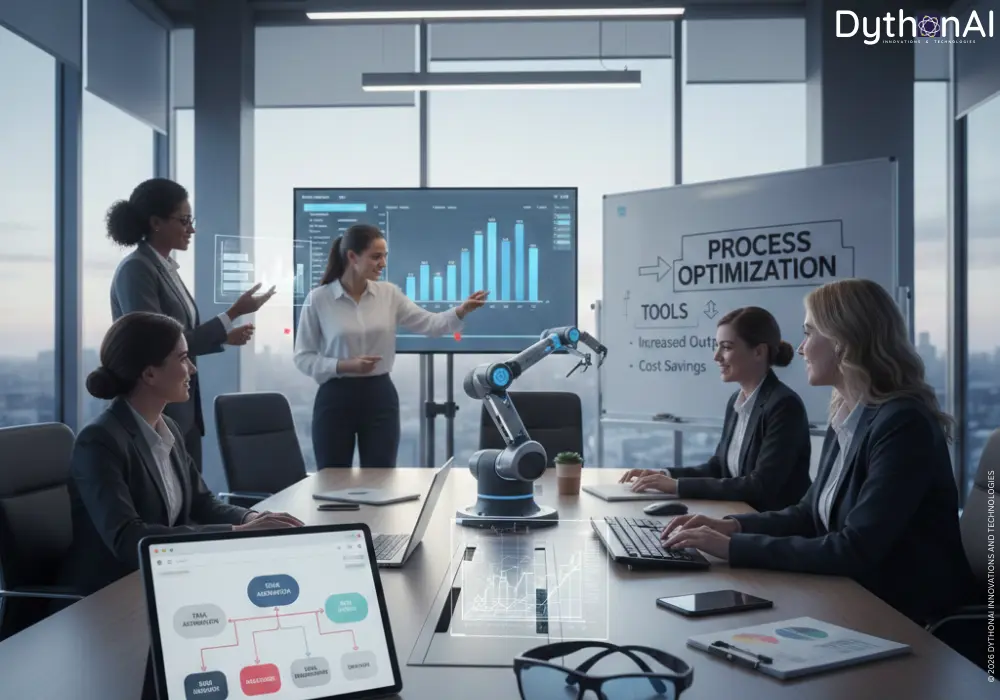
Modern Administration: Streamlining Operations with Technology
Introduction
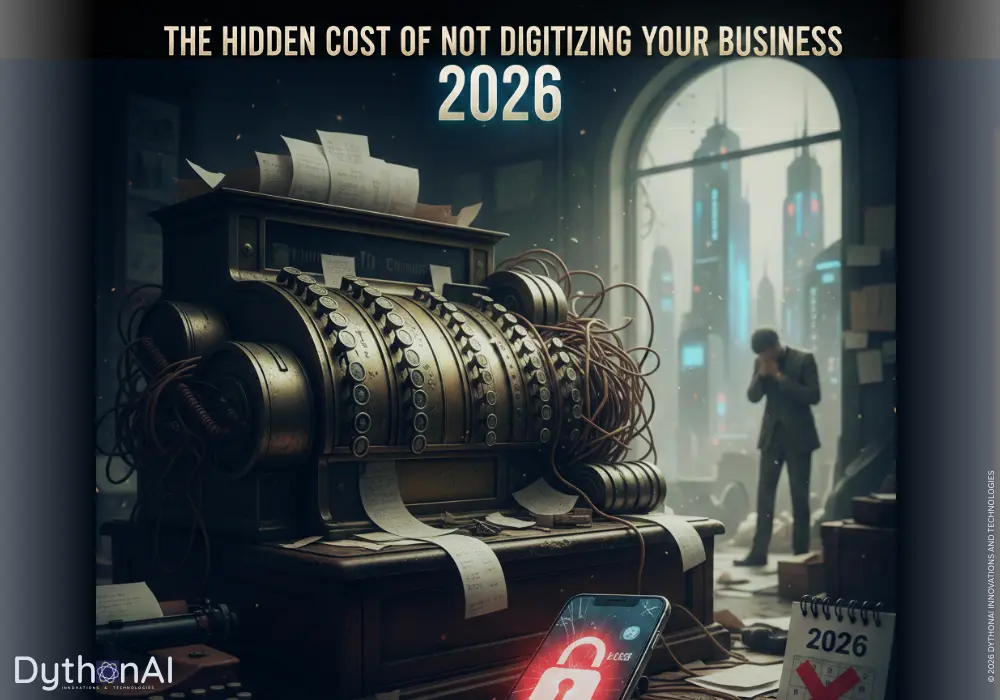
In today’s fast-paced digital world, administration is no longer about stacks of paperwork, manual approvals, or endless email chains. Modern administration is about efficiency, transparency, and smart use of technology to keep organizations running smoothly. From small startups to large enterprises, technology has become the backbone of effective administrative operations.
The Shift from Traditional to Modern Administration
Traditional administrative processes were time-consuming and error-prone. Tasks like record keeping, scheduling, communication, and reporting required significant manual effort. As organizations grew, these systems struggled to scale.
Modern administration embraces digital tools and automation to simplify workflows, reduce operational costs, and improve decision-making. The goal is simple: do more, faster, and with fewer resources.
Key Technologies Transforming Administration
1. Cloud-Based Management Systems
Cloud platforms allow administrators to access data anytime, anywhere. Tools for document storage, HR management, accounting, and project tracking eliminate the need for physical files and on-premise servers.
Benefits include:
-
Real-time collaboration
-
Secure data backup
-
Reduced infrastructure costs
-
Easy scalability
2. Automation and Workflow Tools
Repetitive administrative tasks like approvals, data entry, notifications, and reporting can now be automated. Workflow automation tools ensure tasks move smoothly between departments without constant follow-ups.
Impact:
-
Fewer errors
-
Faster processing times
-
Improved accountability
-
More time for strategic work
3. Digital Communication Platforms
Modern teams rely on instant messaging, video conferencing, and collaborative platforms instead of long email threads. These tools enhance clarity, speed, and teamwork—especially in remote or hybrid work environments.
Examples of use cases:
-
Virtual meetings
-
Internal announcements
-
Cross-department collaboration
-
Client communication
4. Data Analytics and Reporting
Administrative decisions are no longer based on guesswork. Data analytics tools help track performance, identify bottlenecks, and forecast future needs.
With data-driven insights, administrators can:
-
Optimize resource allocation
-
Monitor employee productivity
-
Improve compliance and reporting
-
Make informed strategic decisions
5. AI and Smart Assistants
Artificial Intelligence is gradually redefining administrative roles. From chatbots handling basic inquiries to AI tools scheduling meetings and analyzing documents, smart systems are enhancing productivity.
AI enables:
-
Faster customer and employee support
-
Intelligent document processing
-
Predictive analytics
-
Personalized user experiences
Benefits of Technology-Driven Administration
Implementing modern administrative technologies brings measurable advantages:
-
Increased Efficiency: Tasks are completed faster with fewer errors
-
Cost Savings: Reduced paperwork, labor, and infrastructure expenses
-
Improved Transparency: Clear workflows and real-time tracking
-
Better Employee Experience: Less repetitive work, more meaningful tasks
-
Scalability: Systems grow with the organization
Challenges and How to Overcome Them
While technology offers immense benefits, adoption can come with challenges such as resistance to change, training requirements, and data security concerns.
Best practices for successful implementation include:
-
Providing proper staff training
-
Choosing user-friendly tools
-
Ensuring strong cybersecurity measures
-
Gradual implementation and continuous feedback
The Future of Administration
The future of administration lies in smart, adaptive systems that integrate seamlessly across departments. As AI, machine learning, and automation continue to evolve, administrators will shift from task managers to strategic leaders—focusing on innovation, optimization, and organizational growth.
Conclusion
Modern administration is no longer optional—it’s essential. By leveraging technology, organizations can streamline operations, enhance productivity, and stay competitive in an ever-changing business landscape. Embracing digital transformation today sets the foundation for efficient, agile, and future-ready administration.
Leave A Suggestion

Recent Posts