The Evolution of HR: From Administration to Strategic Leadership
Introduction
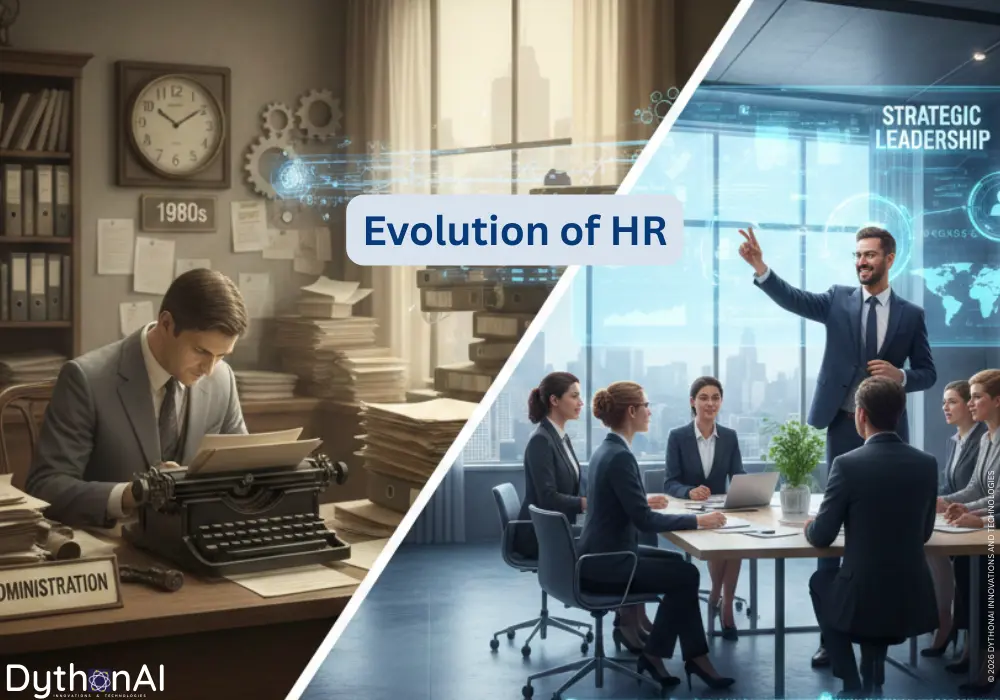
Human Resources has undergone a remarkable transformation over the past few decades. Once viewed primarily as an administrative function focused on payroll, compliance, and record-keeping, HR has evolved into a strategic partner that shapes business growth, culture, and innovation. At the heart of this evolution lie HR technology and modern talent management practices, which have redefined how organizations attract, develop, and retain people.
The Traditional Role of HR: Administrative Foundations
Historically, HR departments were designed to support operations rather than strategy. Their responsibilities typically included:
Employee record management and documentation
Payroll processing and benefits administration
Hiring paperwork and onboarding formalities
Ensuring compliance with labor laws and policies
While these tasks were essential, HR was often reactive rather than proactive. Decisions were driven by policies and procedures instead of data, and HR rarely had a seat at the leadership table.
The Turning Point: Technology Enters HR
The rise of digital tools marked a critical shift in the HR function. Early HR software automated repetitive tasks such as payroll and attendance, freeing HR professionals from manual work. As technology advanced, HR systems became more intelligent, integrated, and data-driven.
Modern HR tech platforms now offer capabilities such as:
Cloud-based Human Resource Information Systems (HRIS)
Applicant Tracking Systems (ATS) for smarter recruitment
Performance management and continuous feedback tools
Learning Management Systems (LMS) for upskilling and reskilling
Analytics and dashboards for workforce insights
This shift allowed HR teams to move beyond administration and focus on people strategy.
Talent Management Takes Center Stage
As competition for skilled professionals intensified, organizations realized that talent is their most valuable asset. This gave rise to a more holistic approach to talent management, encompassing the entire employee lifecycle.
1. Strategic Talent Acquisition
Recruitment is no longer about filling vacancies—it’s about finding the right fit for the organization’s long-term goals. HR tech enables:
AI-driven candidate screening
Data-backed hiring decisions
Employer branding through digital platforms
Improved candidate experience through automation
2. Employee Development and Engagement
Today’s workforce expects growth, purpose, and flexibility. HR leaders now focus on:
Personalized learning paths using LMS platforms
Continuous performance management instead of annual reviews
Employee engagement surveys and sentiment analysis
Career planning and internal mobility
Technology helps HR identify skill gaps and proactively prepare employees for future roles.
3. Retention and Workforce Well-being
Retention is no longer driven by compensation alone. HR plays a strategic role in creating a positive employee experience by leveraging:
People analytics to predict attrition risks
Well-being and mental health platforms
Flexible work models supported by digital collaboration tools
HR as a Strategic Business Partner
With access to real-time data and predictive analytics, HR leaders are now actively involved in strategic decision-making. Modern HR contributes to:
Workforce planning aligned with business objectives
Diversity, equity, and inclusion (DEI) initiatives backed by measurable outcomes
Change management during digital transformation
Building strong organizational culture and leadership pipelines
HR has shifted from asking “How do we manage employees?” to “How do we enable people to drive business success?”
The Future of HR: Technology-Driven and Human-Centered
The future of HR lies at the intersection of advanced technology and human insight. Emerging trends such as artificial intelligence, machine learning, and predictive analytics will further empower HR to anticipate workforce needs and personalize employee experiences.
However, while technology is a powerful enabler, the core of HR remains human. Successful HR leaders will balance automation with empathy, data with intuition, and efficiency with inclusion.
Conclusion
The evolution of HR from an administrative function to a strategic leadership role reflects a broader shift in how organizations view people. Powered by HR technology and strategic talent management, HR is no longer just supporting the business—it is shaping its future.
Organizations that invest in modern HR practices and tools position themselves to attract top talent, build resilient teams, and stay competitive in an ever-changing business landscape.
HR is no longer about managing resources. It’s about unlocking human potential.
Leave A Suggestion

Recent Posts